Probe-Verified Heat, No Guessing
This territory still cooks on a remarkable number of original wall ovens — mid-70s built-ins around Twin Lakes, 60s units in west Tacoma ramblers — and we service those veterans alongside the newest slide-ins, without prejudice either way.
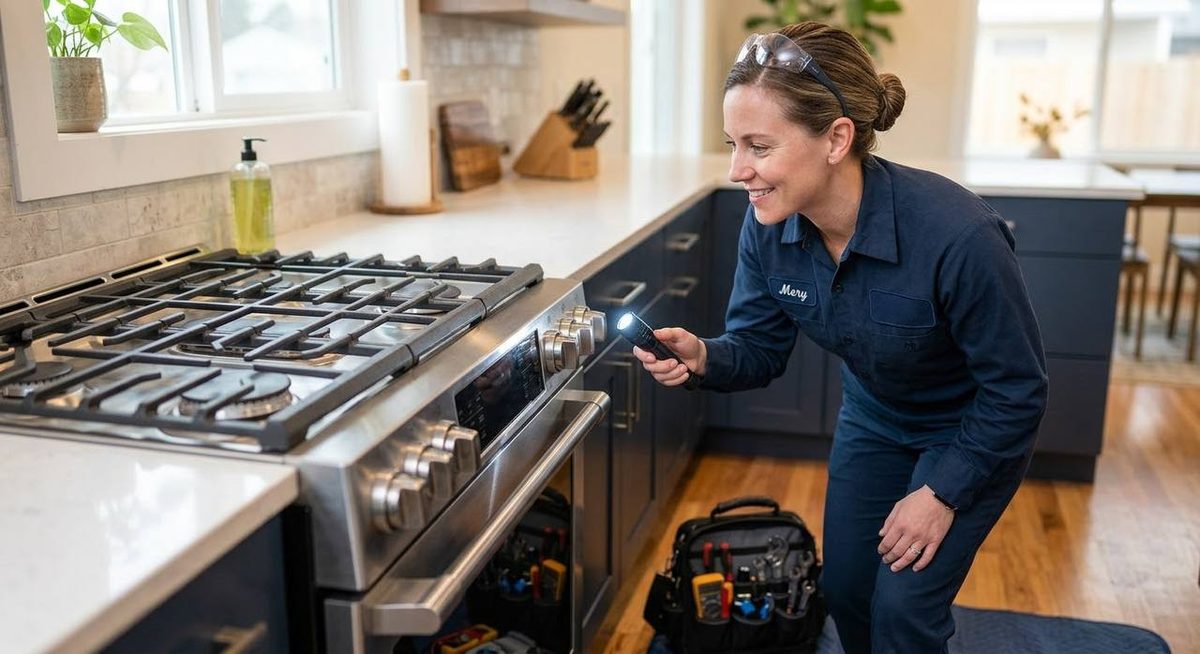
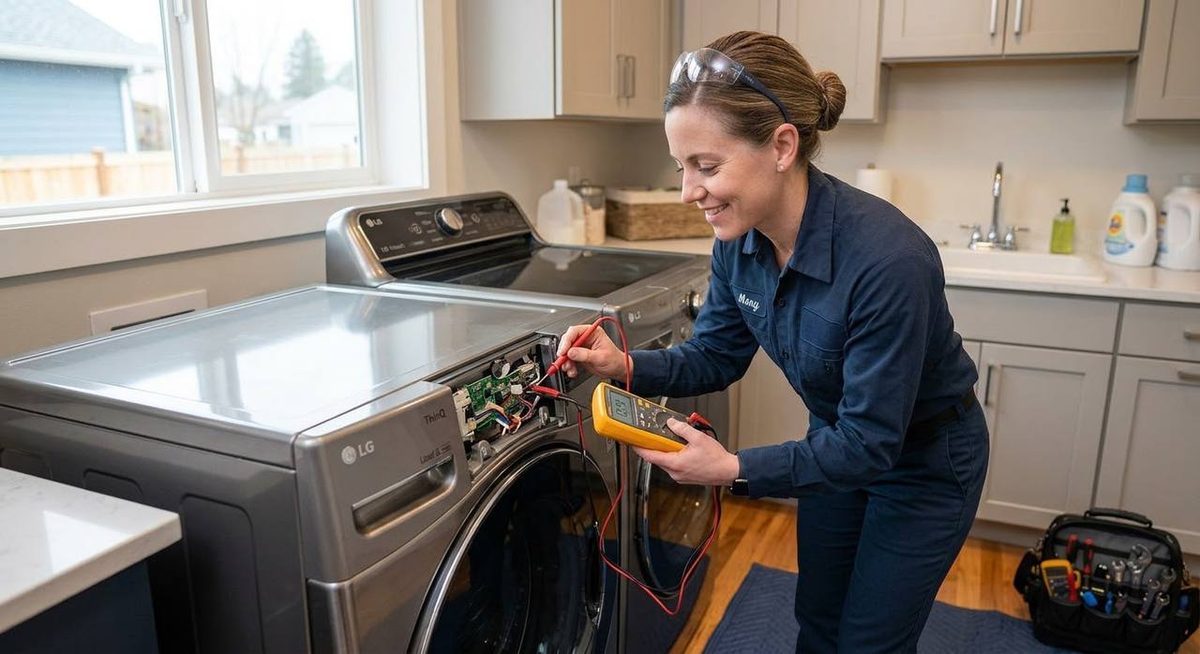
Electric cavities: probe test first, then elements and the temperature sensor measured against spec, then the relay board if the numbers still disagree. The repair targets the measured gap, not the most famous part on the internet forums.
Gas: a lazy igniter fails slowly and dangerously — the delay lets gas pool before ignition. Delayed-light complaints get scheduled inside the week as policy, and the burner chain gets tested end to end. Everything at or before the appliance shutoff valve is ours; the supply line is a plumber's, and we say so.
Vintage wall-oven work is its own craft: sourcing thermostats and elements for discontinued models, adapting where the original part is extinct, and telling you honestly when an irreplaceable control means the veteran has cooked its last. More of them can be saved than owners expect.
What the Intake Call Hears
- Cookies needing ten extra minutes at the same setting
- Broiler dead while bake soldiers on
- Burner clicking endlessly or lighting with a whump
- One smooth-top zone stuck at full power
- Door latched shut since the last self-clean
- Error code returning after every power reset
Book This Routine
Model number welcome, plain words fine.